
Piloya Irene shares a combination of three different kinds of fabrics juxtaposed together: Kyenkyen, Dawadawa, and Lubugo. Made in Ghana and Uganda, the materials connect two traditions of textile making. Kyenkyen has been organically produced in Ghana since before the arrival of the well-known cotton woven Kente cloth. The technique of making this bark cloth is reminiscent of that of the Lubugo in Buganda.
The processes for making these fabrics – harvesting, boiling, beating and pressing – was learned in the Hemag Forest of Kumasi, Ghana. Throughout that time Piloya was connected to the biographies of land, challenged by urban growth. While creating the works it provokes memories of her own. She recalled experiences from her origins in Northern Uganda. Facing times of war, her grandmother would lay down a kikoyi for them to sleep on in the bushes whenever they were running from the rebels. This fabric carried safety and inspired a material canvas for Piloya Irene to narrate parallel stories, between land and life.
In a bid to express these memories of familiar spaces, the tree bark is a symbol of protection and perseverance. Like humans, trees also undergo transplant shocks. The wind, sunlight, and decay add another layer of temporality- raising questions about what preservation truly means when time, nature, and memory are all in flux.
Certain artworks use chemical reactions as a gesture to how humans and nature respond to rupture and displacement. Our brains are constantly adapting to new experiences and environments, and this can affect the way we locate ourselves. Neural pathways connect through intergenerational knowledge and labour. The making of these artworks is a unique environmental and social practice between Ghana and Uganda. Histories and contemporary critique connect through Kyenkyen, Dawadawa, and Lubugo.
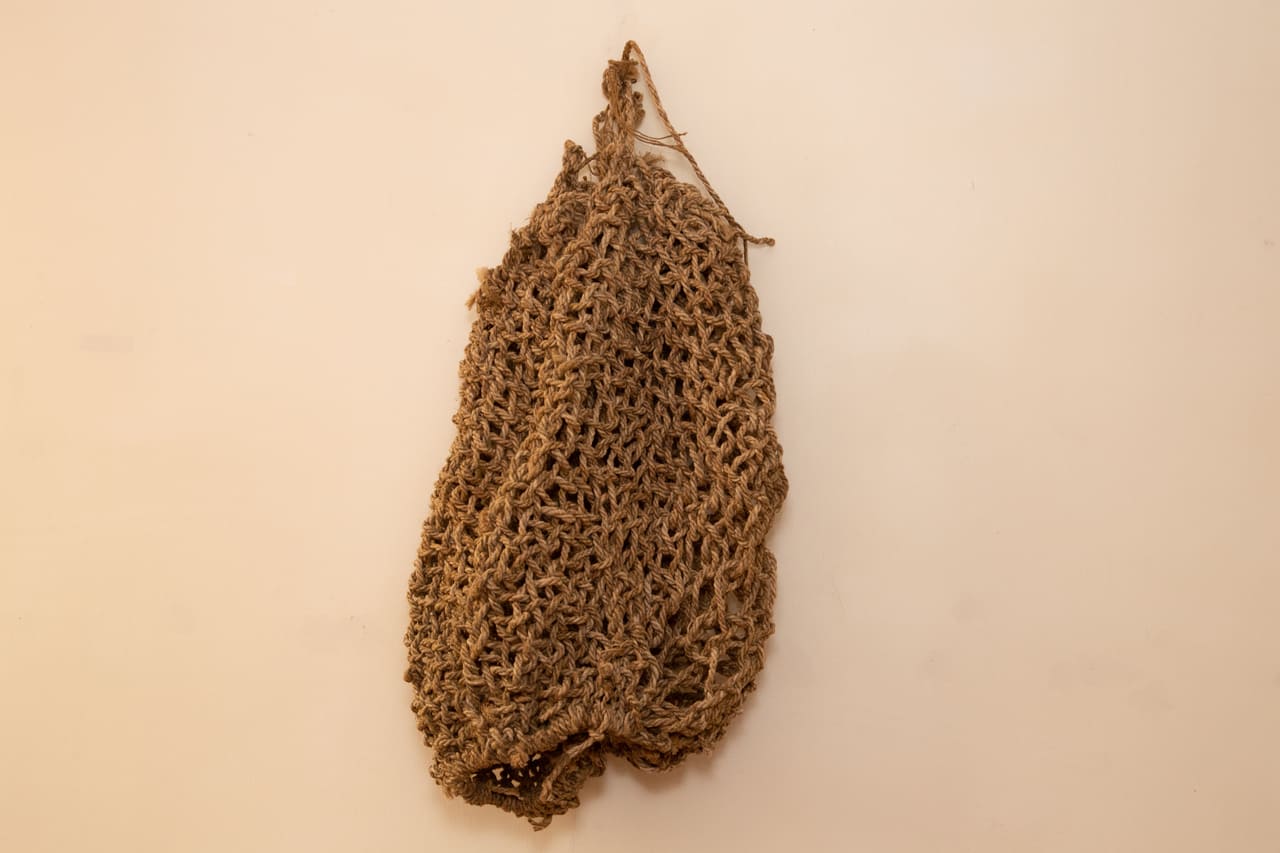
Dawadawa textile, 170 x 58 (variable)
UGX: 1.8 million
USD: 510
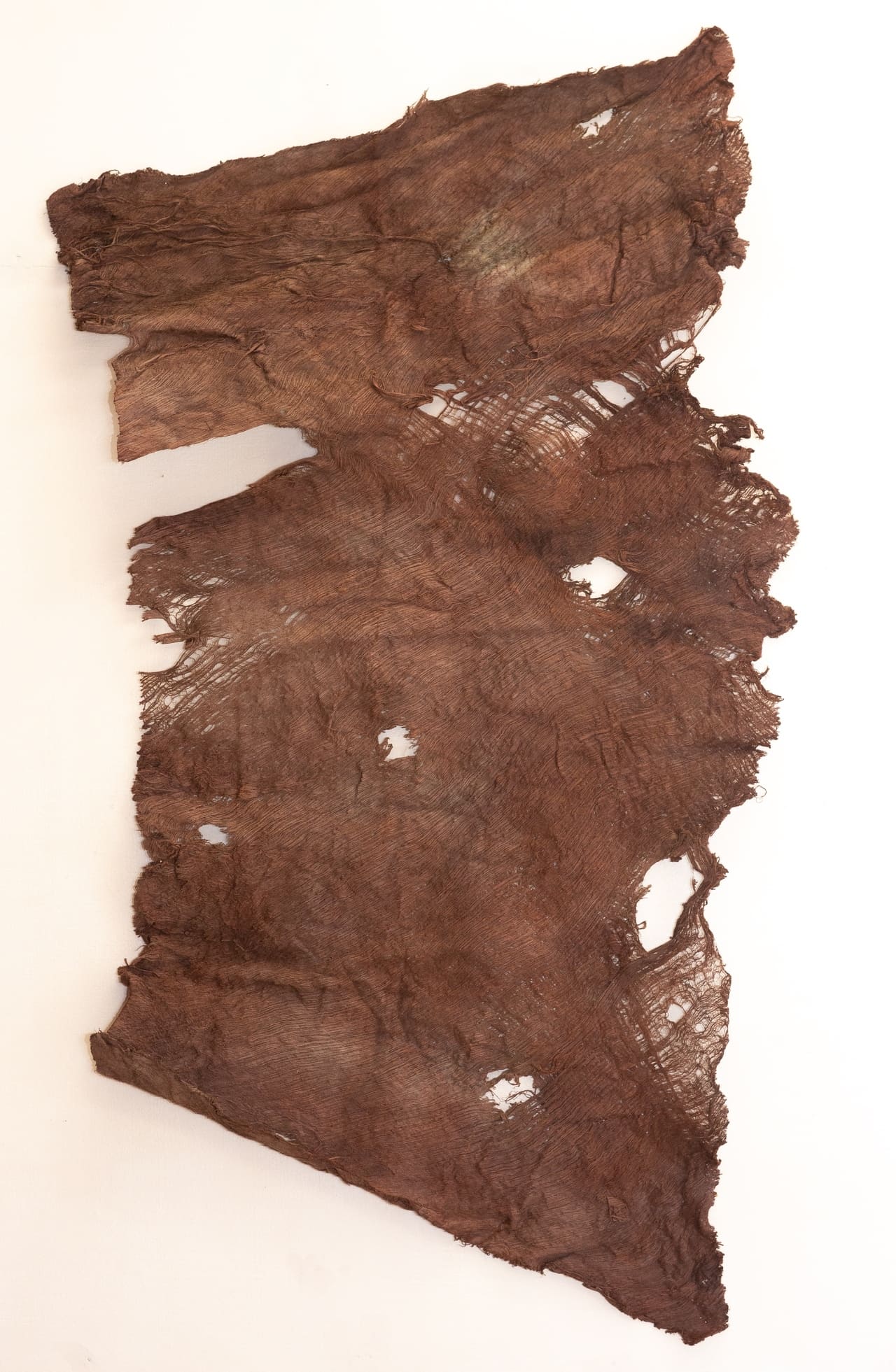
Kyenkyen textile, red pigment, 128 x 70cm
UGX: 1.2 million
USD: 340
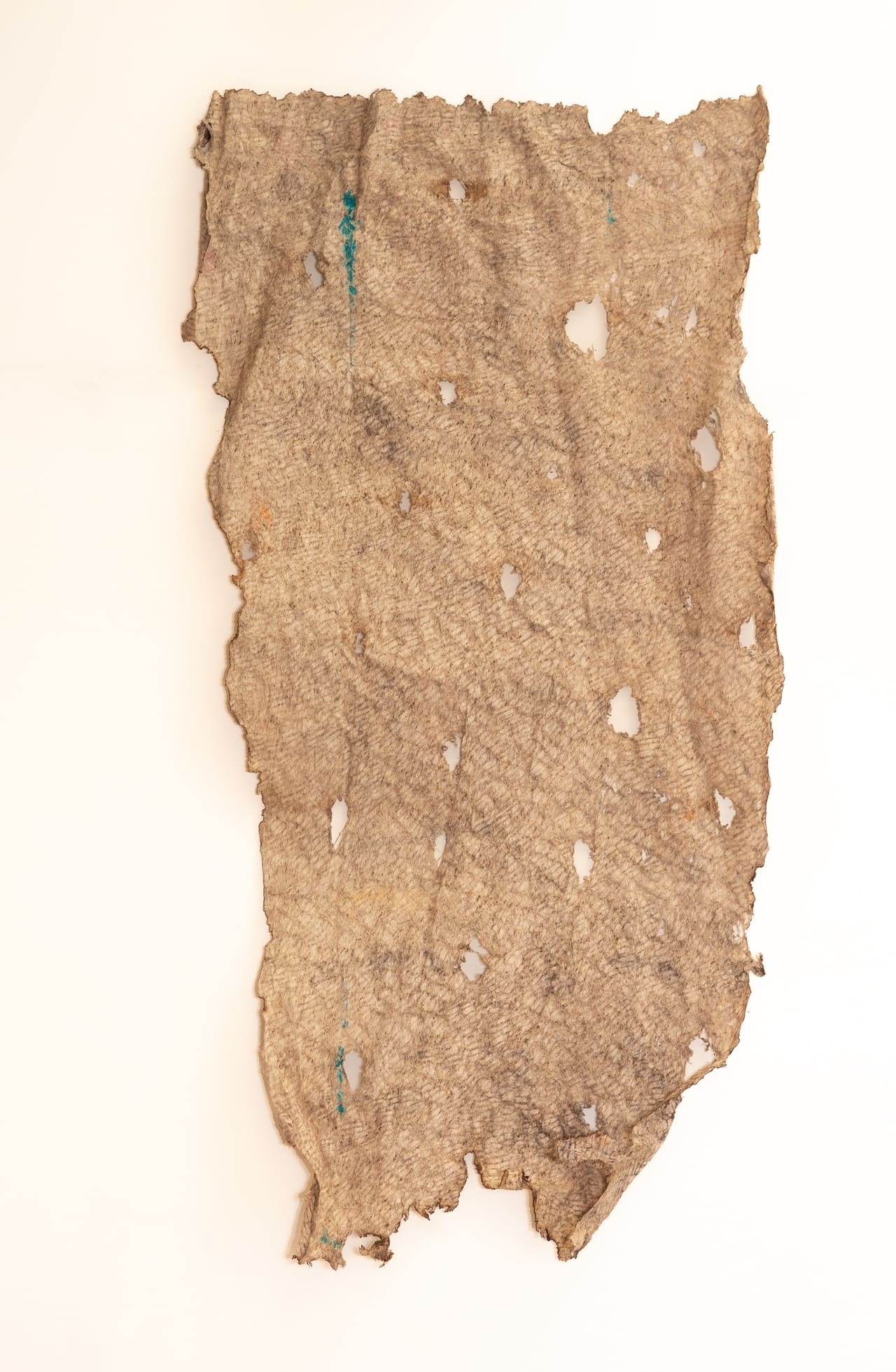
Kyenken textile, natural pigments, 135 x 74 cm
UGX: 1.4 million
USD: 400
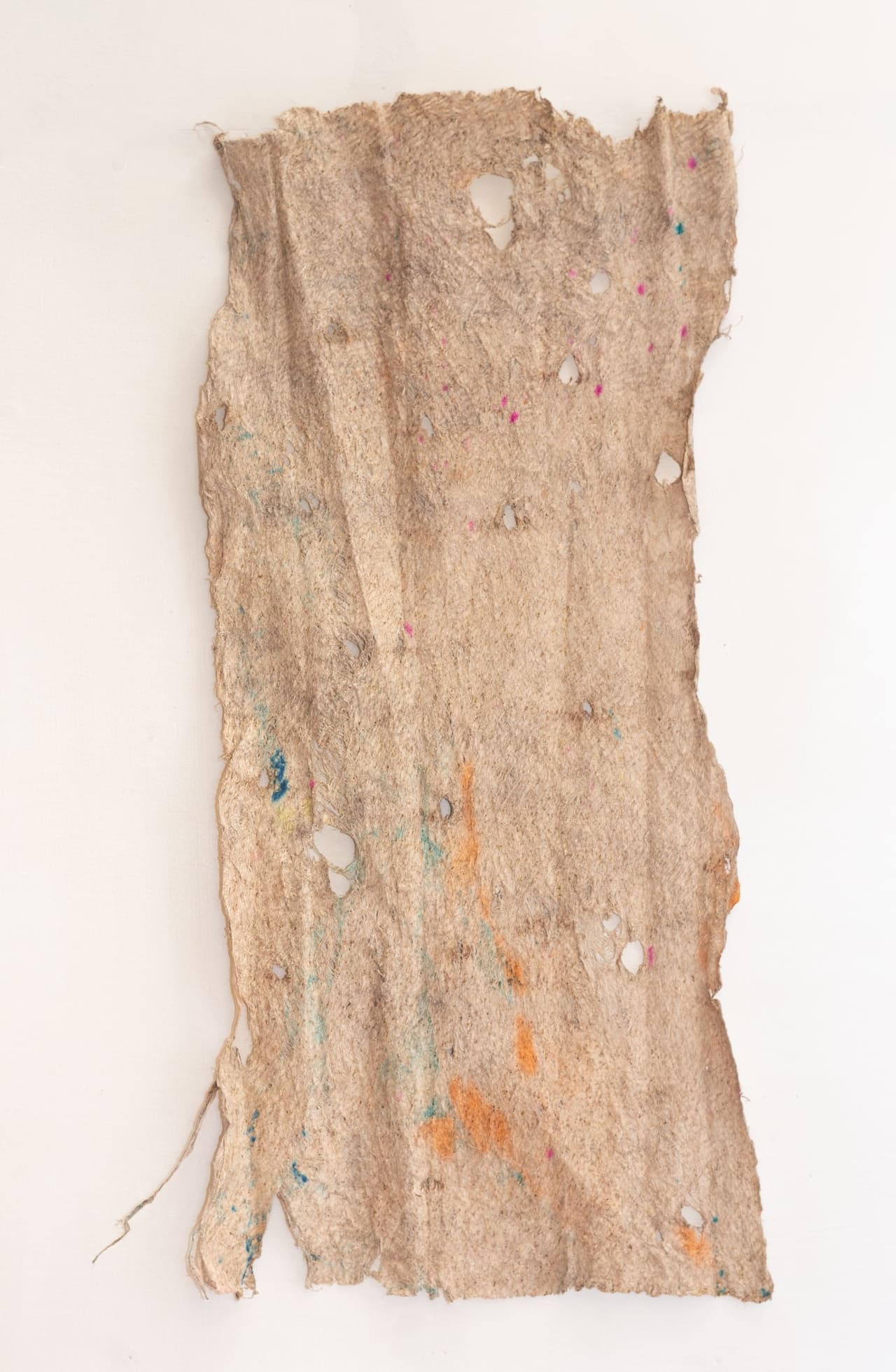
Kyenken textile, natural pigments, 119 x 54 cm
UGX: 1.4 million
USD: 400
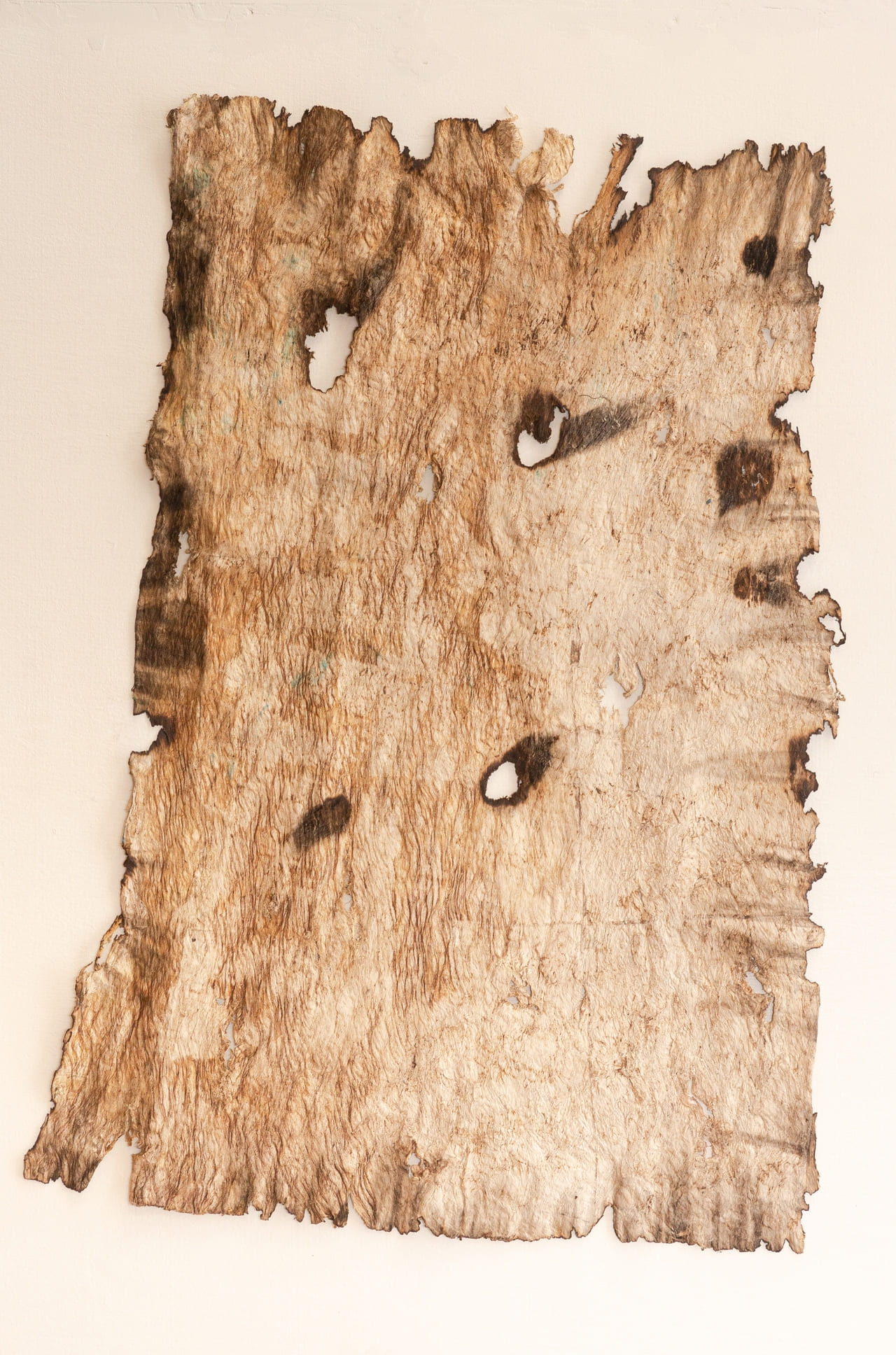
Kyenken textile, natural pigments, 90 x 53 cm
UGX: 1.4 million
USD: 400
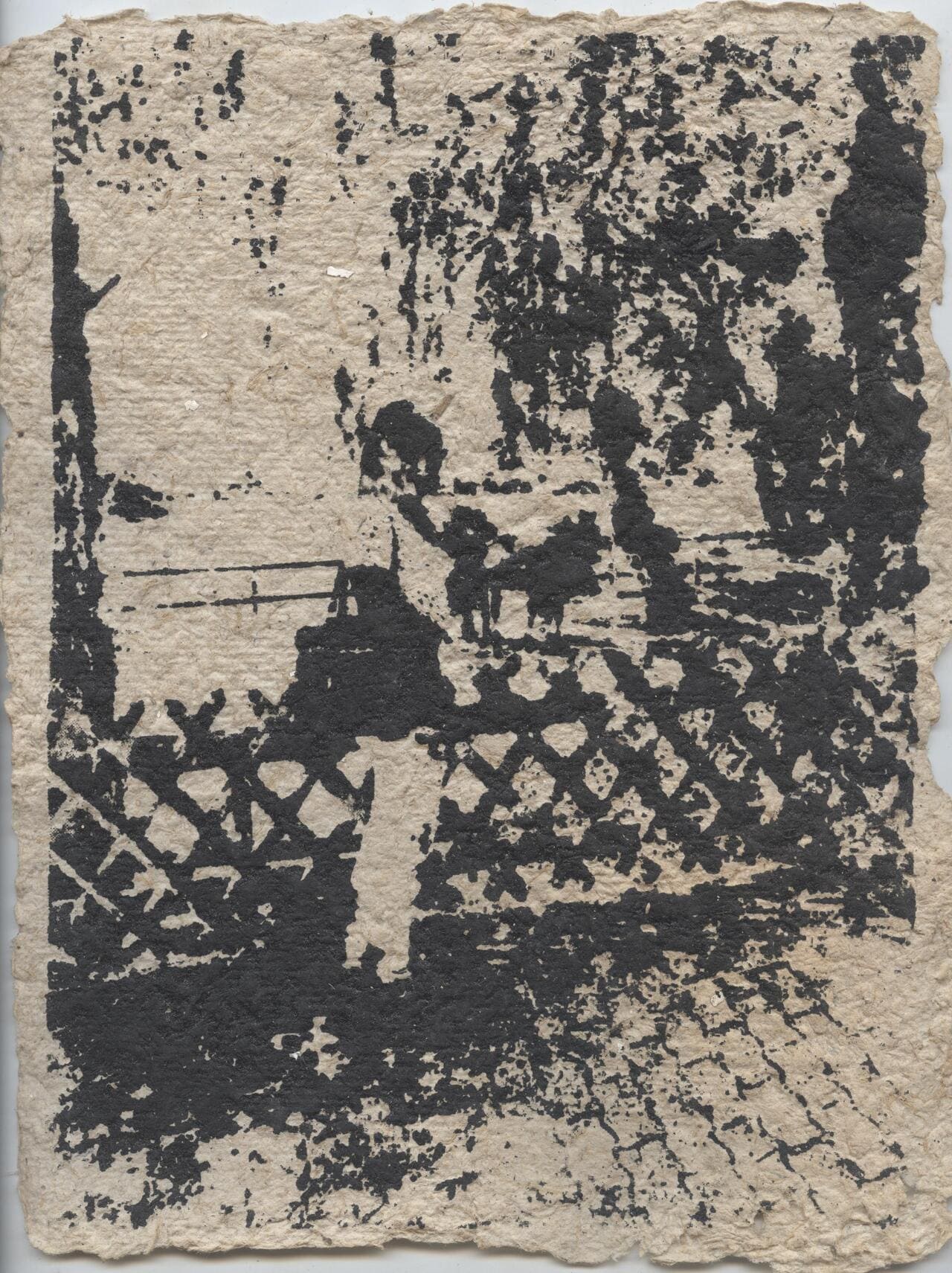
Silkscreen print on Kyenkyen textile, 38 x 32 cm
Unframed
UGX: 530,000
USD: 150
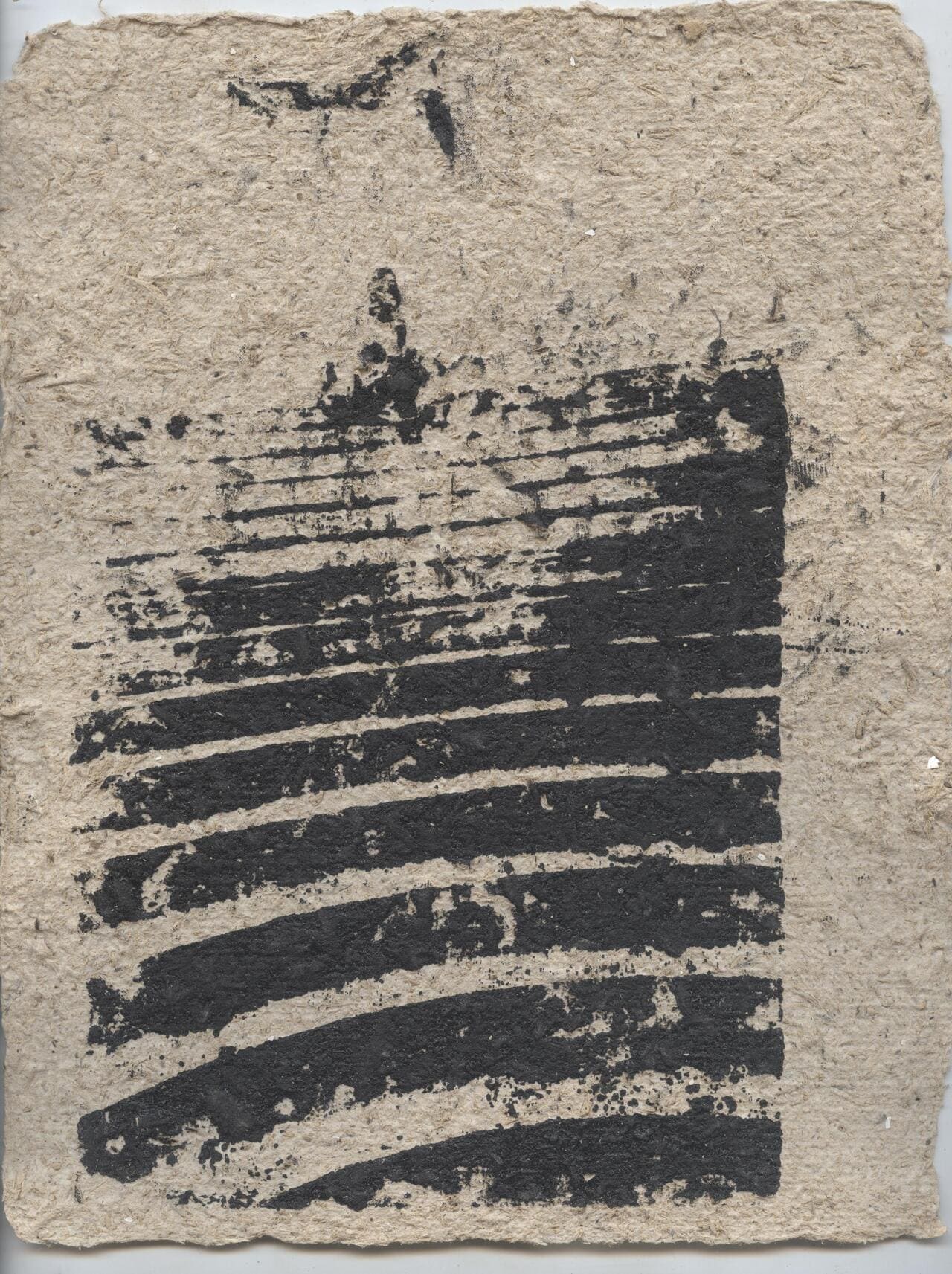
Silkscreen print on Kyenkyen textile, 38 x 32 cm
Unframed
UGX: 530,000
USD: 150
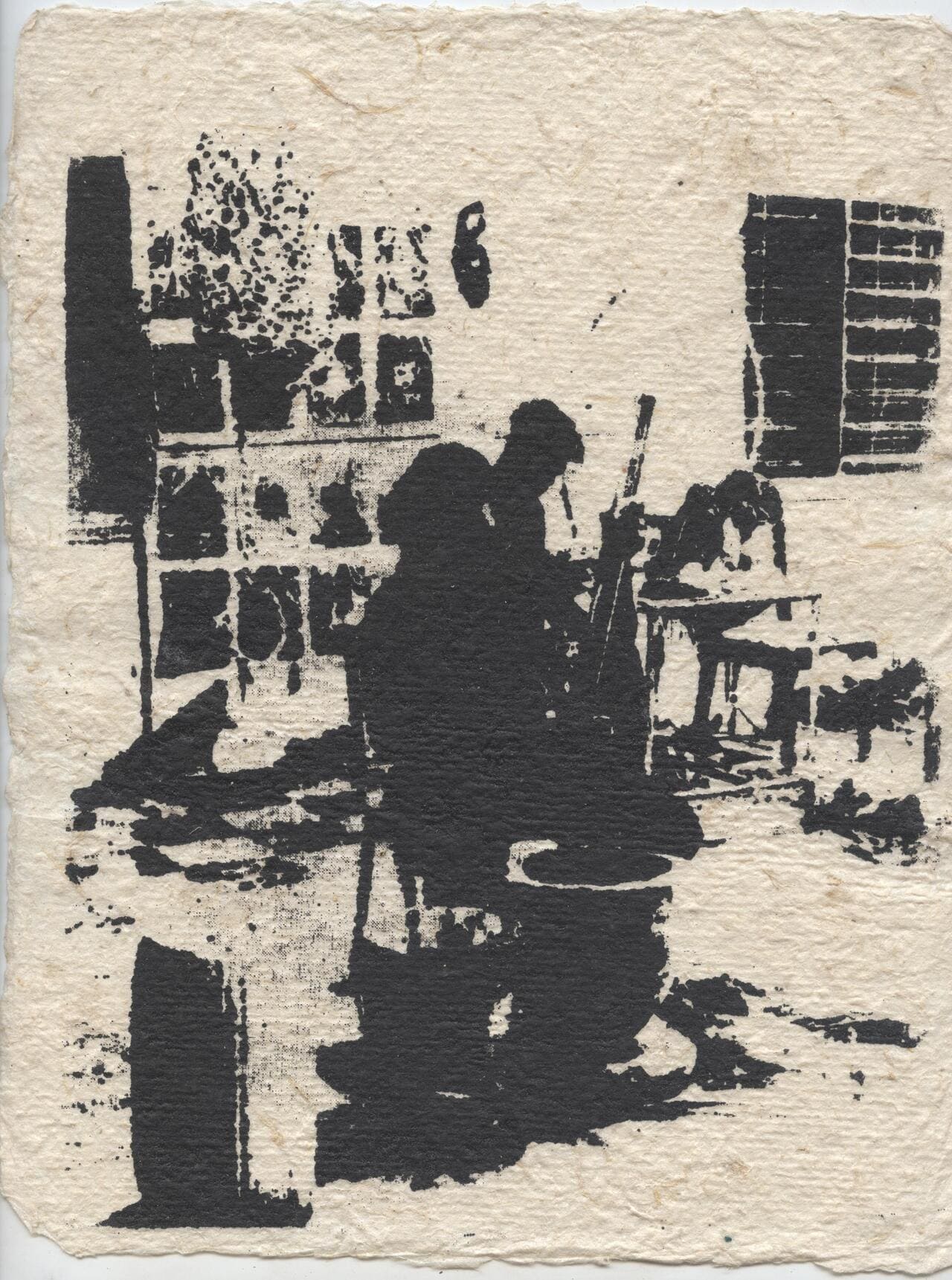
Silkscreen print on Kyenkyen textile, 38 x 32 cm
Unframed
UGX: 530,000
USD: 150
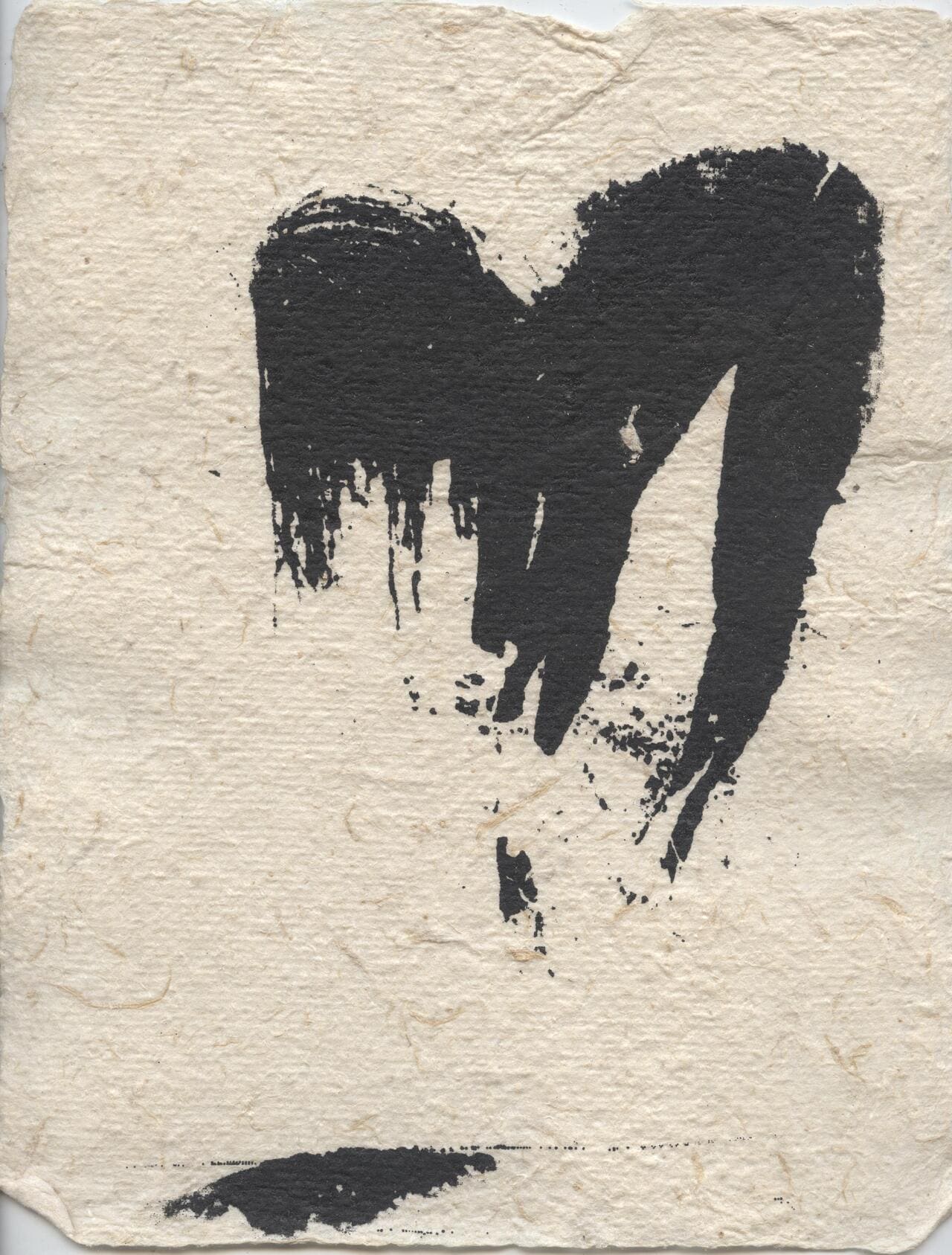
Silkscreen print on Kyenkyen textile, 38 x 32 cm
Unframed
UGX: 530,000
USD: 150
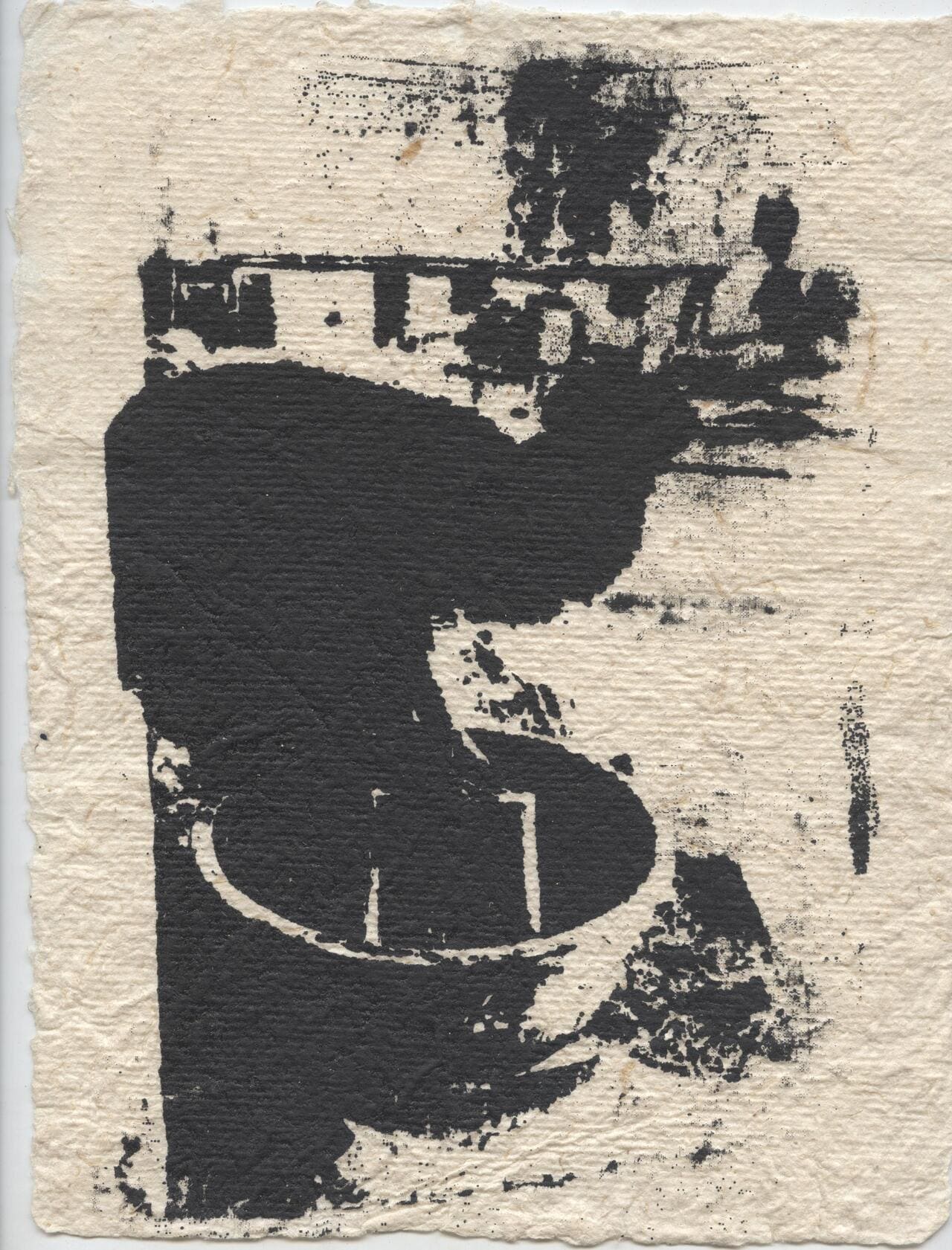
Silkscreen print on Kyenkyen textile, 38 x 32 cm
Unframed
UGX: 530,000
USD: 150
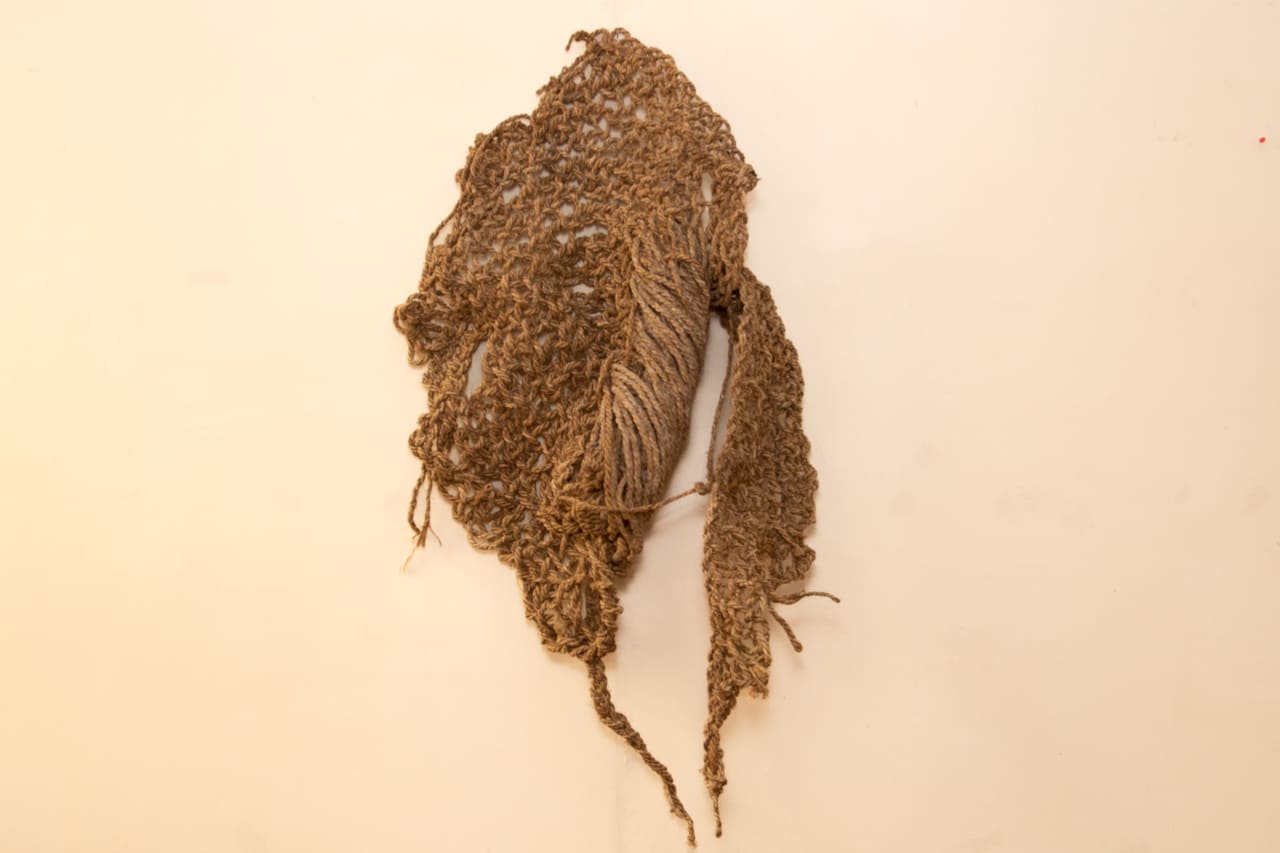
Dawadawa textile, 93 x58 cm (variable)
UGX: 1.8 million
USD: 510
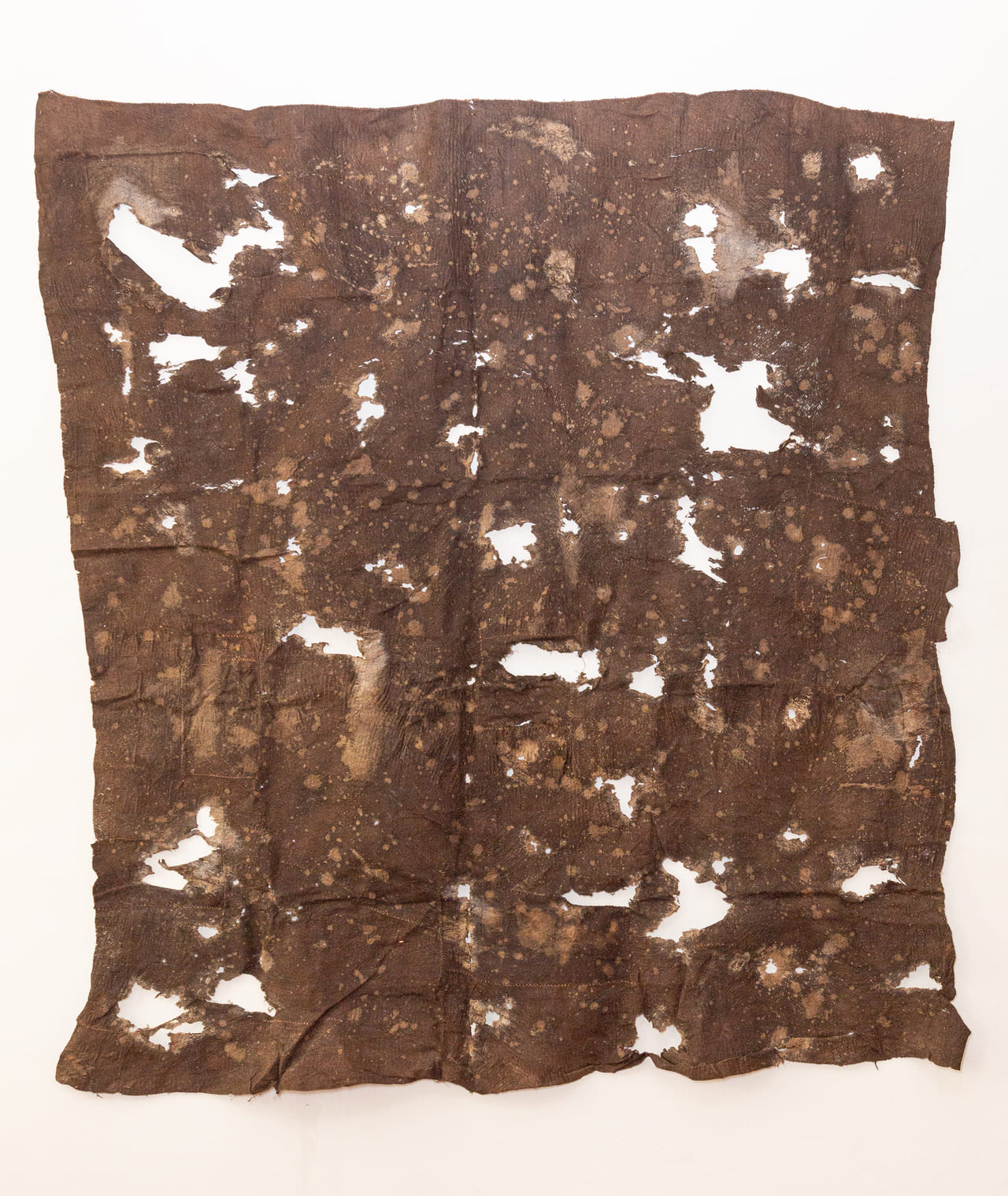
Lubugo textile, sodium hypochlorite paint, 155 x 145 cm
UGX: 3.2 million
USD: 900
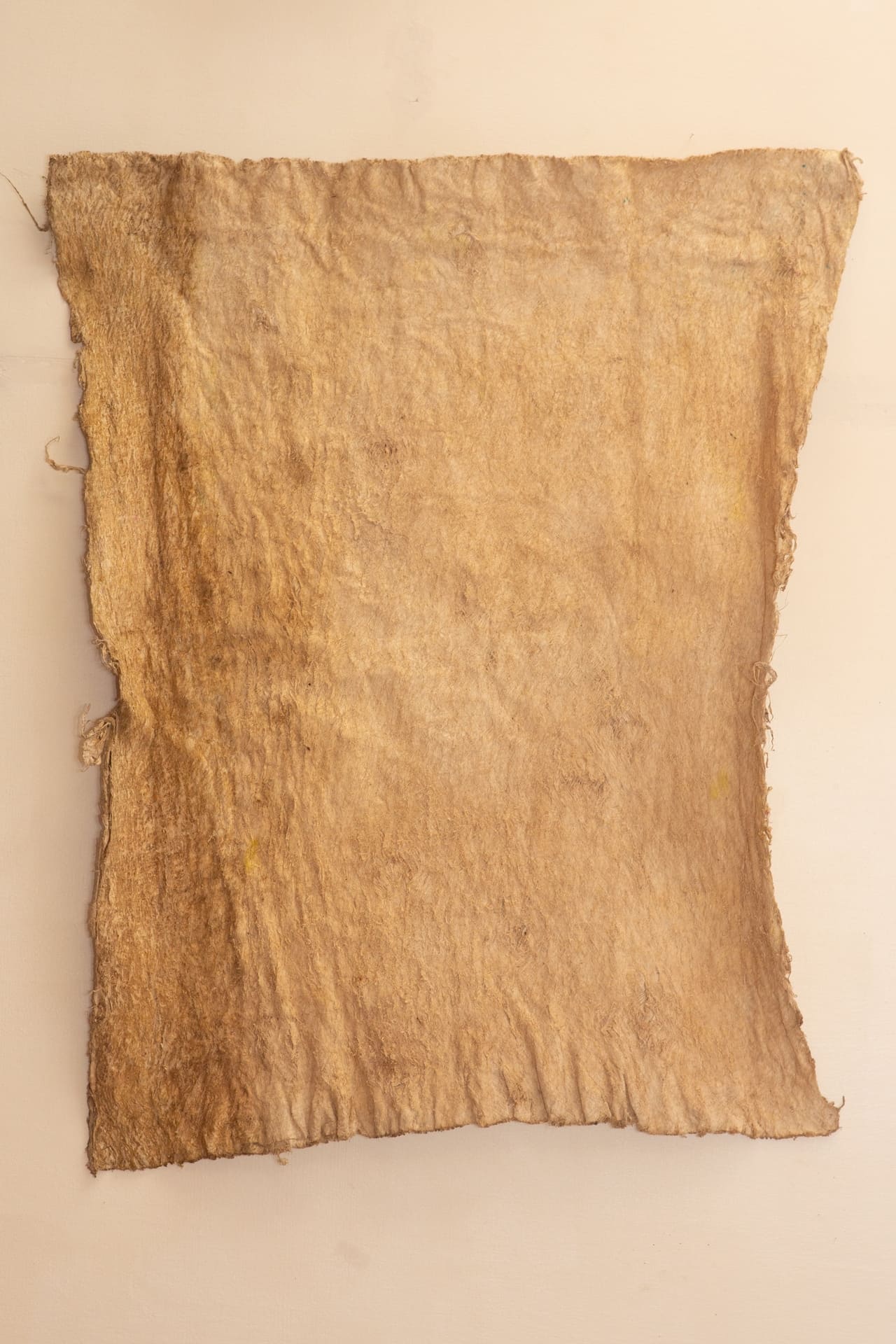
Kyenken textile, 111 x 89 cm
UGX: 1.8 million
USD: 510
—
Working with barkcloth and plant fibres, Piloya Irene fuses material experimentation with psychological inquiry. Her body of work comprises large- scale garden installations and intimate biographical prints, all of which interact with their surroundings—shaped by the wind, sunlight, and time itself. At the heart of Between the Trees is a process driven by both science and symbolism. The artist interrogates the fragility and malleability of memory—its ability to fade, mutate, and persist.