
Laeïla Adjovi and Alexander Kyungu Mwilambwe link African pasts to new imagined futures. Through their work with rubber and cotton, they contend with borders and bodies. The materials are their storytelling agents, deployed to make social and environmental commentary on migration, agriculture, history, and heritage.
Bringing artwork from Benin and the Democratic Republic of the Congo to Uganda pays homage to shared histories of trade and production.
Uganda was once a vital place for cotton production. Today, there are an estimated 250,000 Ugandan households that farm cotton. Comparatively, Benin is the largest African cotton producer, with some harvest years yielding over 700,000 tons of cotton. Yet climate change and pesticide-led agrofarming threatens the largest export for the small West African nation. It is in this context that Adjovi works to portray the families whose livelihoods are derived from this ‘white gold’.
Rubber is a material that keeps the world in motion. Few places have been more defined by this material than the Democratic Republic of the Congo. Yet the violent colonial extraction of rubber is merely one history. Using discarded tyre inner tubes and tread, Kyungu Mwilambwe works to make contemporary commentary on our globalised world.
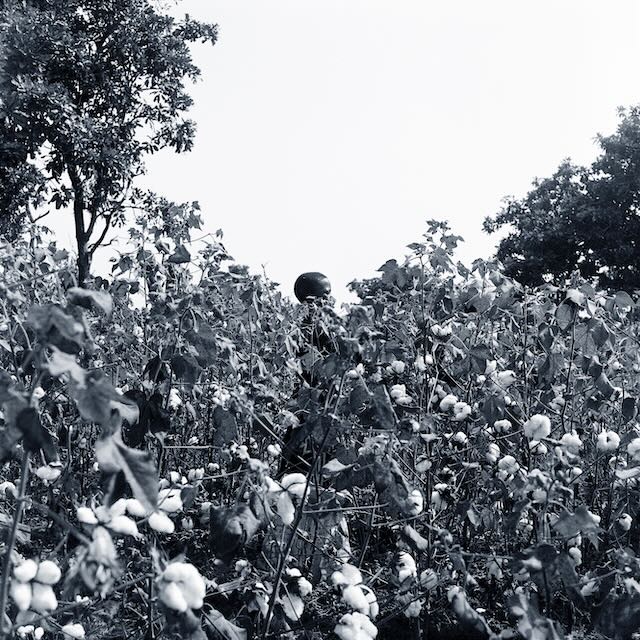
White Tide, 2024
Photographic print on Hahnemühle Photo Rag,
Edition of 4
60×60 cm, 70×70 cm framed
USD 1,500
UGX 5,300,000
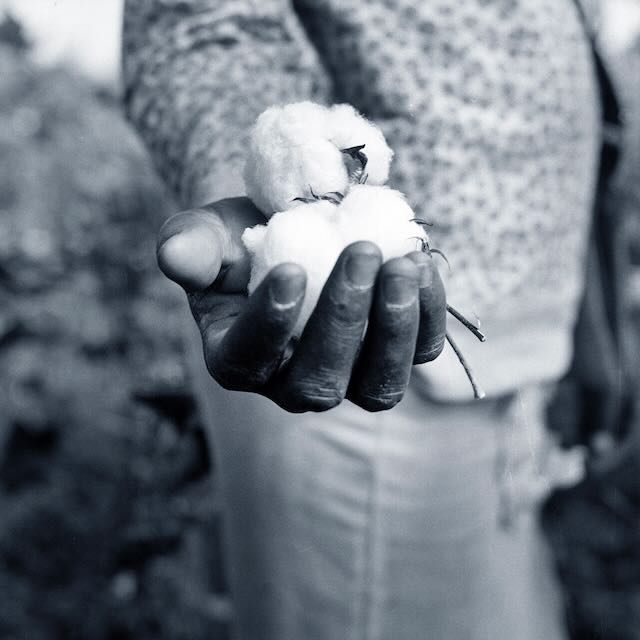
White Gold, 2024
Photographic print on Hahnemühle Photo Rag,
Edition of 4
60×60 cm, 70×70 cm framed
USD 1,500
UGX 5,300,000
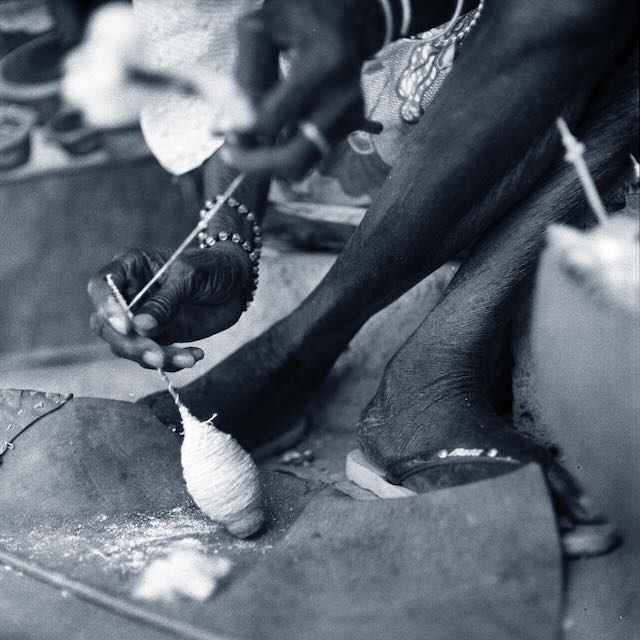
Sogou #2, 2024
Photographic print on Hahnemühle Photo Rag,
Edition of 4
60×60 cm, 70×70 cm framed
USD 1,500
UGX 5,300,000
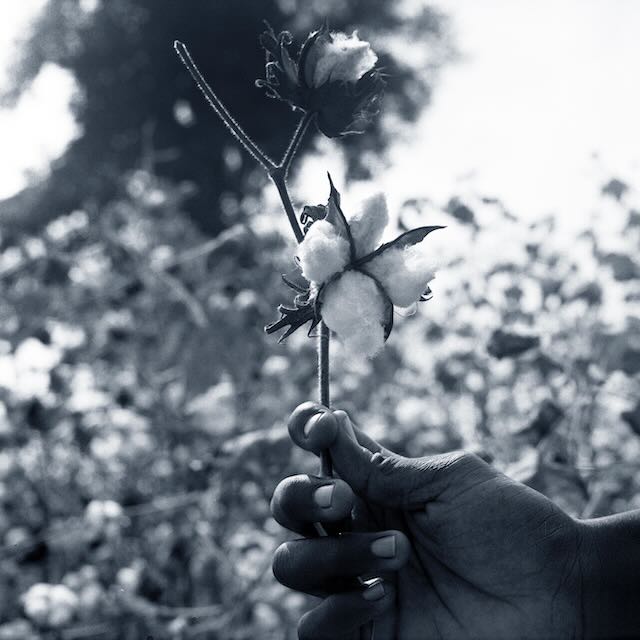
On Being Both Flower and Fruit, 2024
Photographic print on Hahnemühle Photo Rag
Edition of 4
60×60 cm, 70×70 cm framed
USD 1,500
UGX 5,300,000
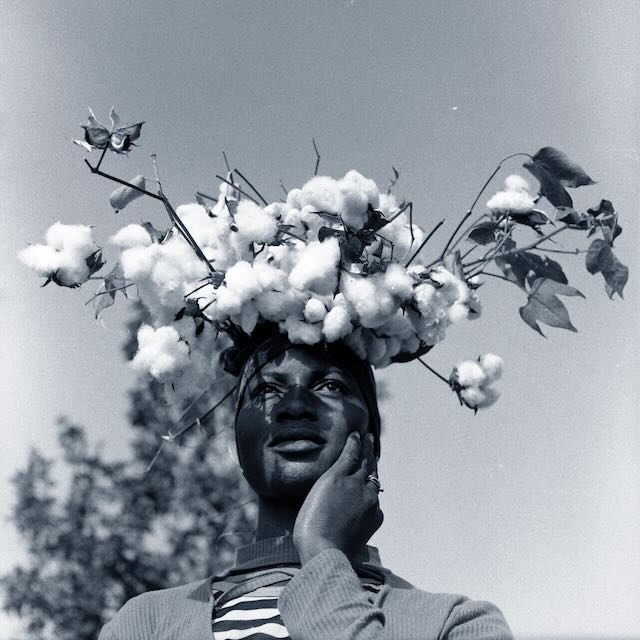
Latifa’s Crown, 2024
Photographic print on Hahnemühle Photo Rag
Edition of 4
80×80 cm, 100x 100 cm framed
USD 2,500
UGX 8,850,000
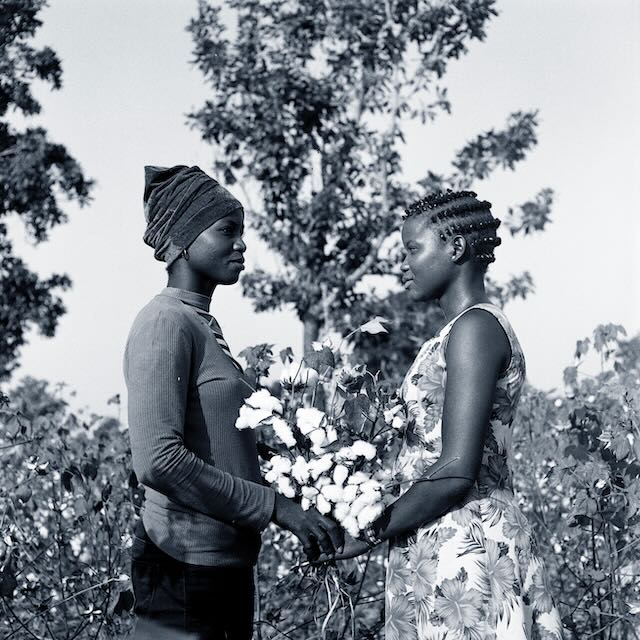
Give Us Our Flowers, 2024
Photographic print on Hahnemühle Photo Rag,
Edition of 4
80×80 cm, 100x 100 cm framed
USD 2,500
UGX 8,850,000
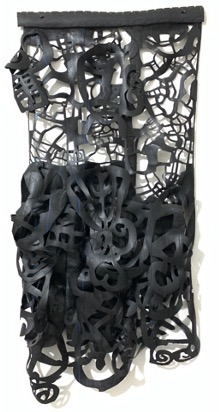
Entassement VIII, 2025
Rubber car tire inner tube
40 cm x 96 cm x 6 cm
USD 5,530
UGX 19,560,000
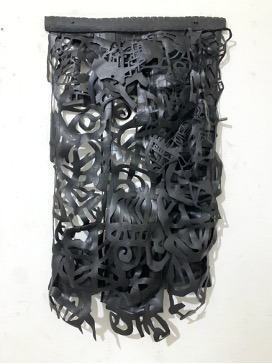
Entassement VI, 2025
Rubber car tire inner tube
45 cm x 85 cm x 6 cm
USD 5,530
UGX 19,560,000
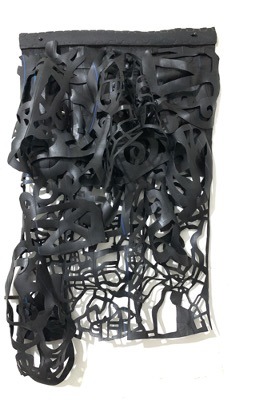
Entassement V, 2025
Rubber car tire inner tube
40 cm x 72 cm x 6 cm
USD 5,530
UGX 19,560,000
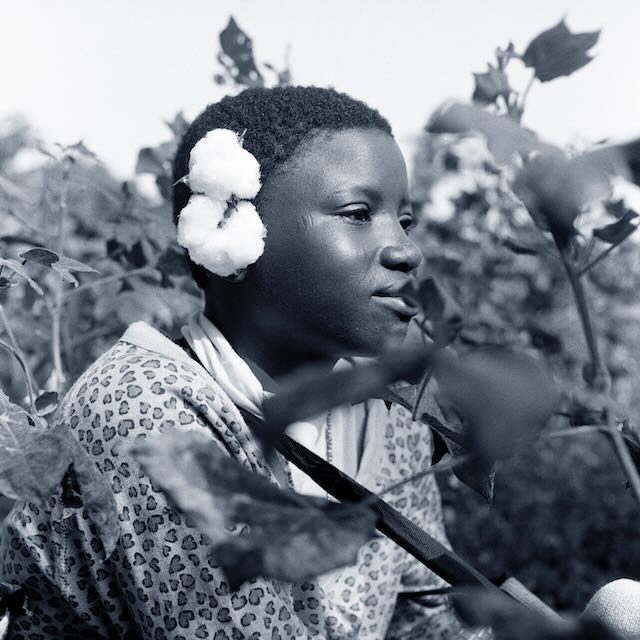
Dorcas, 2024
Photographic print on Hahnemühle Photo Rag
Edition of 4
80×80 cm, 100x 100 cm framed
USD 2,500
UGX 8,850,000
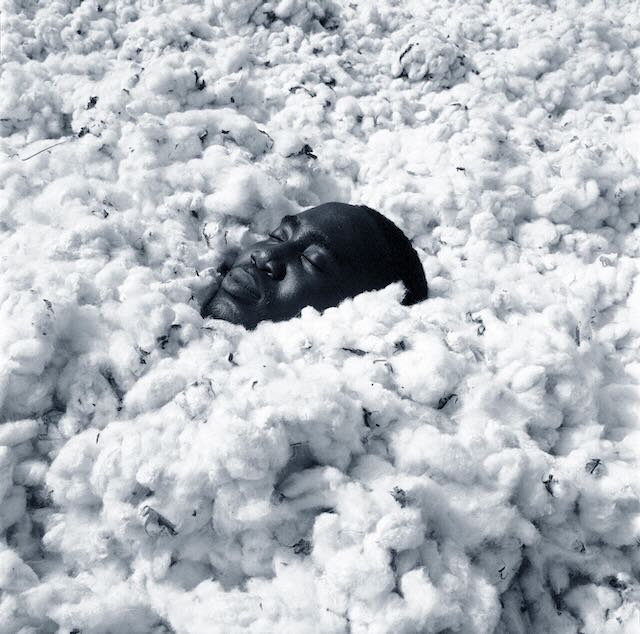
Brisso in the Clouds, 2024
Photographic print on Hahnemühle Photo Rag
Edition of 4
80×80 cm, 100x 100 cm framed
USD 2,500
UGX 8,850,000
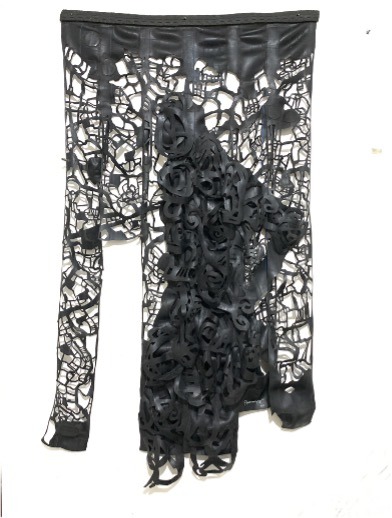
Bopemi ya obundi (a warrior’s rest), 2025
Rubber car tire inner tube
87 cm x 162 cm x 7 cm
USD 12,225
UGX 43,246,000